
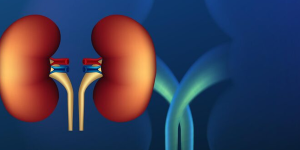
In a kidney transplant, a failing kidney is surgically replaced with a healthy kidney from a living or deceased donor. It is the suggested treatment for end-stage renal disease (ESRD) in place of long-term dialysis since it increases survival rates and quality of life.
Read More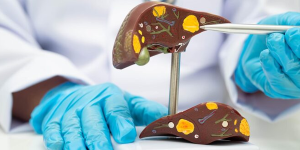
Surgically replacing a diseased or failing liver with a healthy liver from a deceased donor or a portion of a living donor's liver is known as a liver transplant. End-stage liver disease is usually taken into consideration when other treatments are ineffective and the liver is no longer able to operate normally.
Read More
A lung transplant is a significant medical surgery in which a healthy lung from a deceased or, in rare cases, a living donor is used to replace a diseased lung (or both lungs). When alternative treatments for end-stage lung disease are unsuccessful, it is usually taken into consideration.
Read More
The unchecked proliferation of cancerous cells in the liver is known as liver cancer. It may be secondary or metastatic (spread from another organ) or primary (start in the liver).
Read More
Pediatric liver transplantation is a life-saving procedure for children with end-stage liver disease (ESLD) or acute liver failure when no other treatments are effective
Read More


Most Popular Treatment Destinations
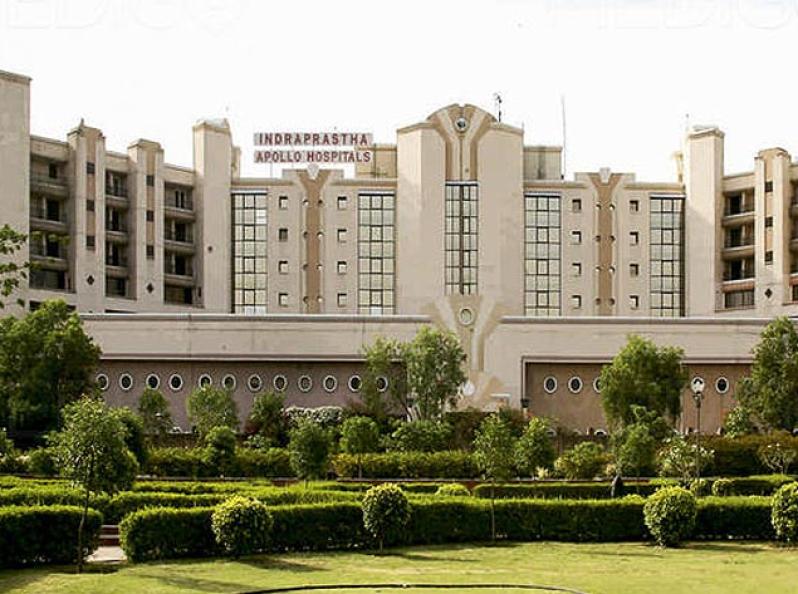
Indraprastha Apollo Hospitals, New Delhi is a multi-specialty tertiary acute care hospital with 710 beds and one of the most sought after destinations in Asia for healthcare.
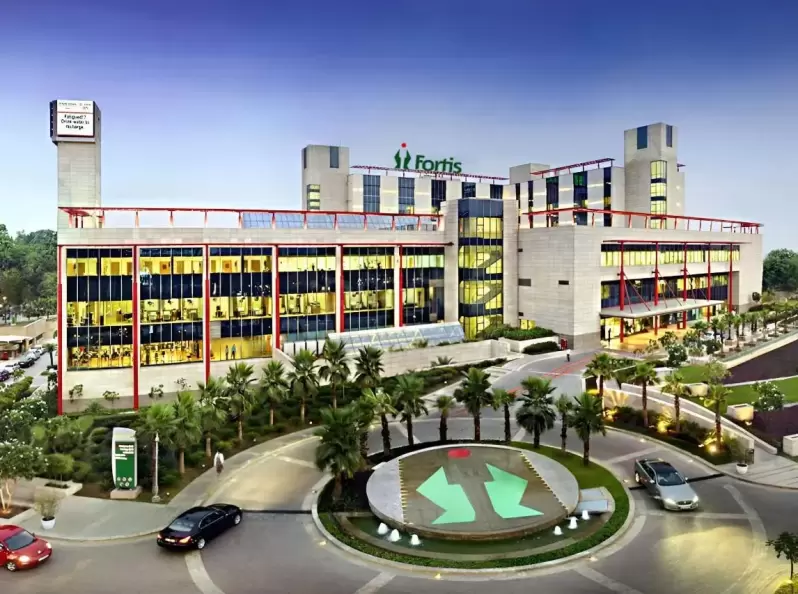
Fortis Memorial Research Institute (FMRI), established in 2013, is a leading multi-super specialty, quaternary care hospital located in Gurgaon, India. Known as the “Next Generation Hospital,” FMRI is renowned
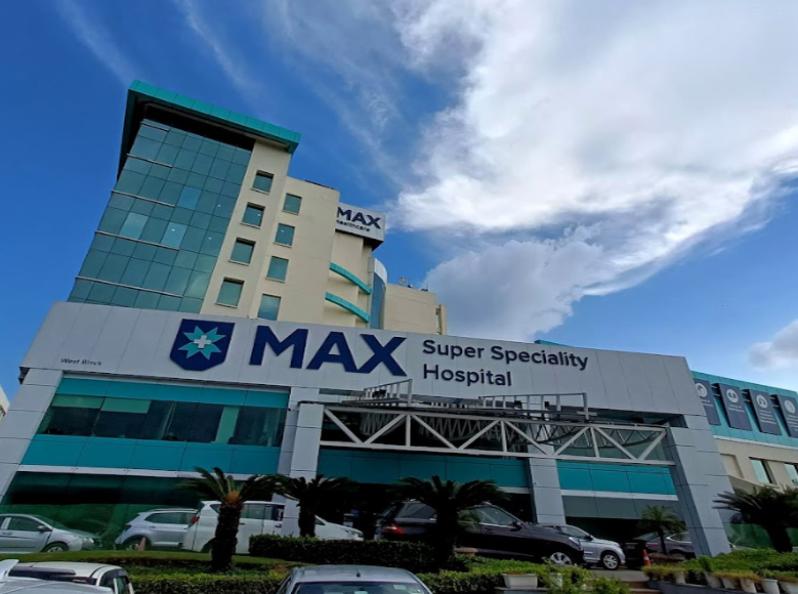
Max Super Speciality Hospital is one of the topmost multi-specialty hospital in capital city Delhi. The hospital is having more than 500+ bedded facility offers treatment across all medical disciplines

Amrita Hospital, Faridabad, inaugurated in August 2022, stands as India’s largest private hospital, embodying a vision of holistic and world-class healthcare. Established by the Mata Amritanandamayi Math, it is part of the globally...
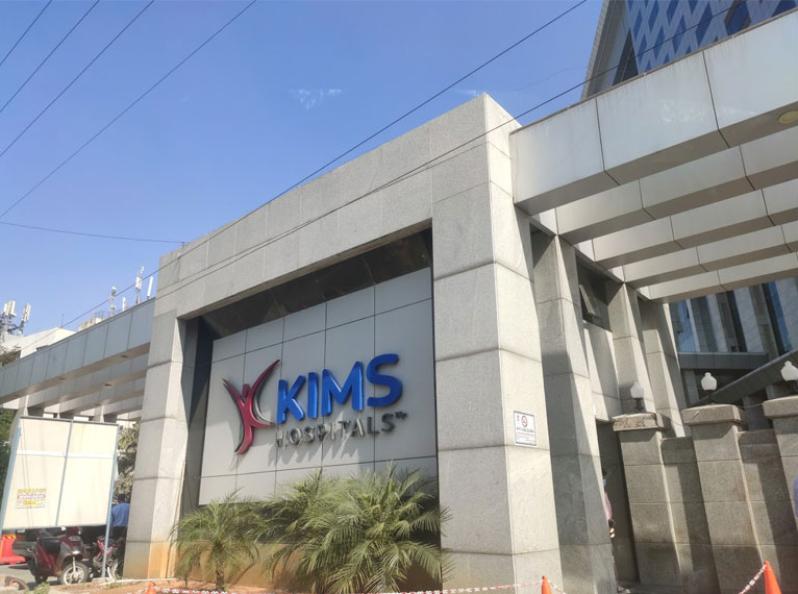
One of the largest corporate healthcare groups in AP and Telangana in terms of number of patients treated and treatments offered, according to the CRISIL Report. We provide multi-disciplinary integrated healthcare services
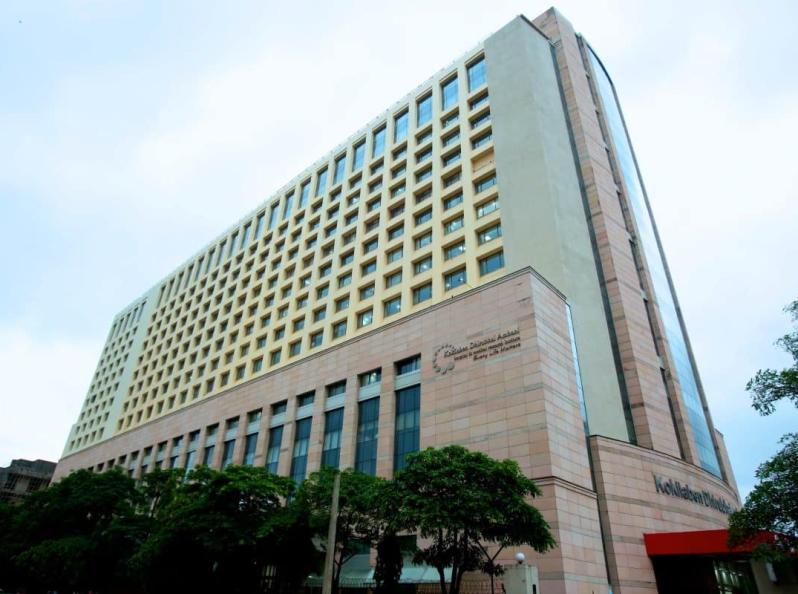
Kokilaben Dhirubhai Ambani Hospital & Medical Research Institute (KDAH) is a premier multi-specialty healthcare facility located in Andheri West, Mumbai, India. Established in 2009, it is named after Kokilaben Ambani
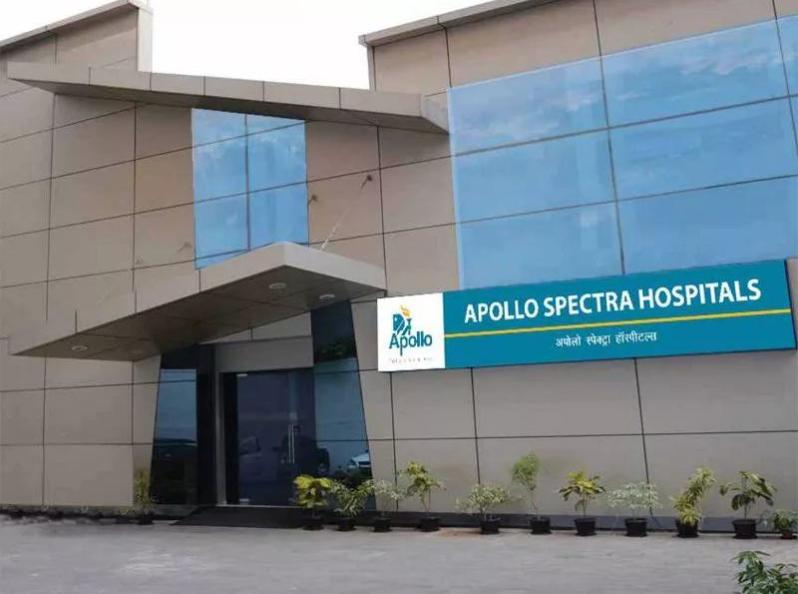
Apollo Spectra Hospitals is a chain of advanced multispecialty centres across India—popular in cities like Hyderabad, Gurugram, Patna, Bengaluru, Chennai, Jaipur, Mumbai, Delhi, Pune, Noida
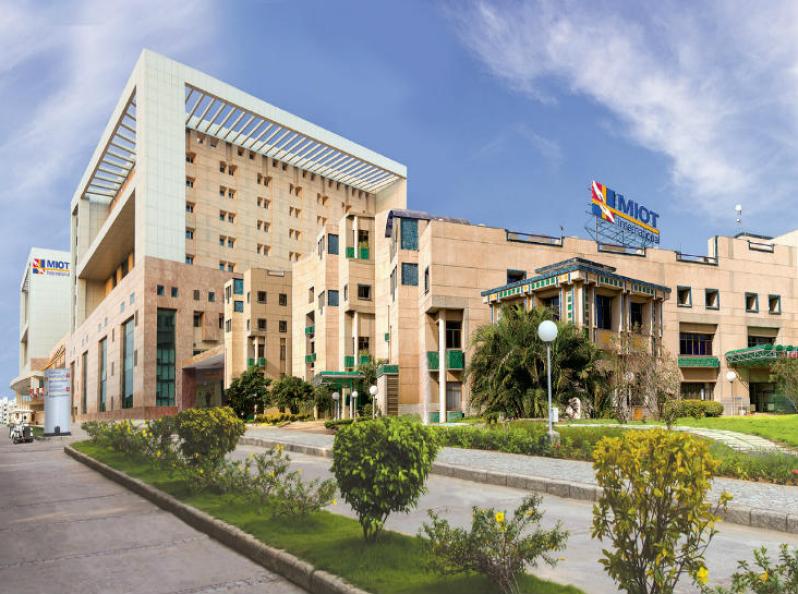
MIOT International (Madras Institute of Orthopedics and Traumatology) is a premier multi-specialty hospital in Chennai, India, established in 1999. Renowned for its state-of-the-art infrastructure and advanced medical care
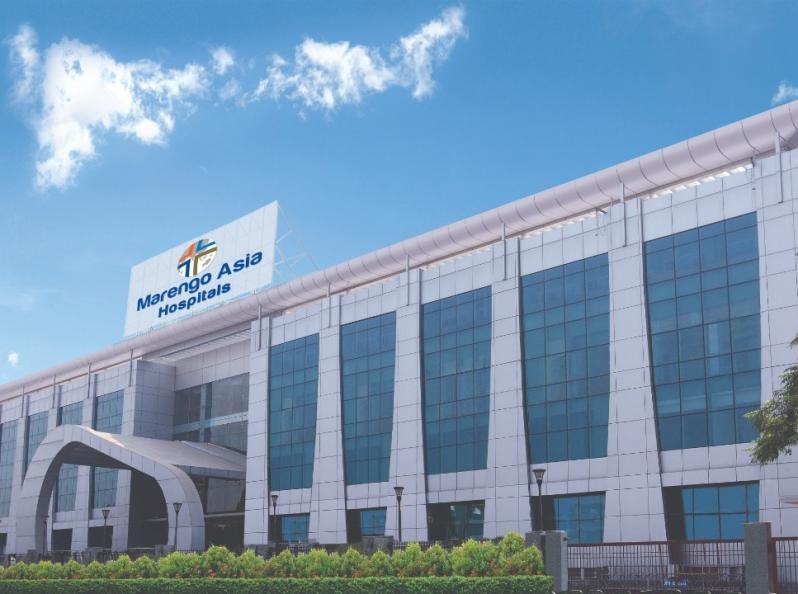
Marengo Asia Hospital, Faridabad, formerly known as QRG Health City, is one of the leading multi-super specialty hospitals in India, located in the bustling city of Faridabad, Haryana. Established in 2007
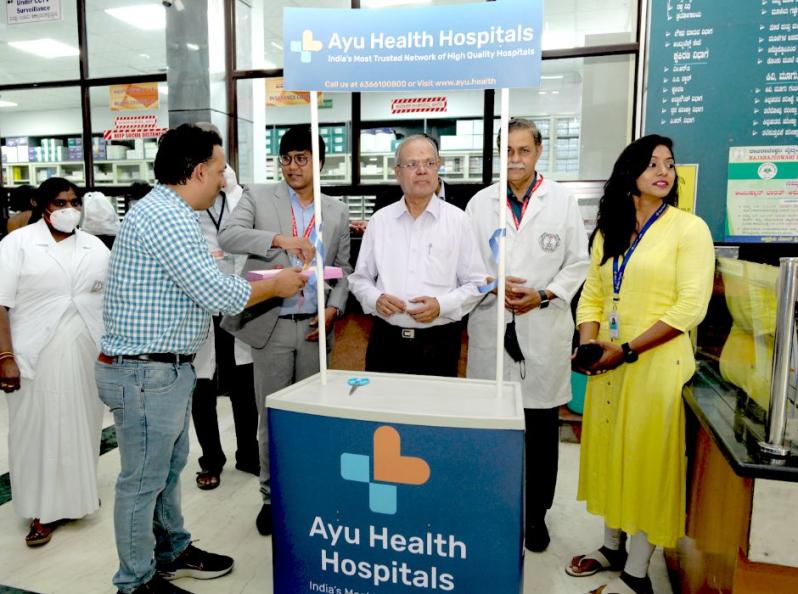
Ayu Health was founded in early 2020 with the goal of establishing a trusted hospital chain that prioritizes high quality care, transparency in pricing, and exceptional patient experiences. The company began with one hospital in Chandigarh...
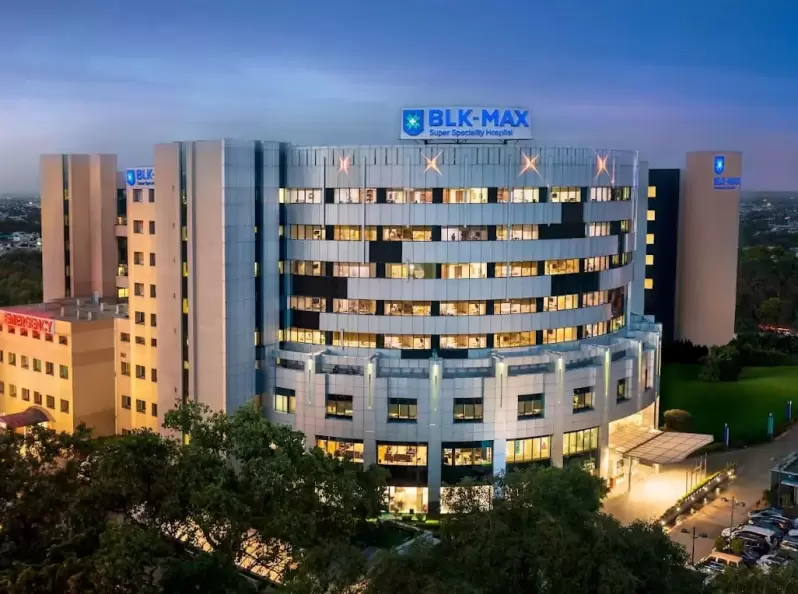
BLK-Max Super Speciality Hospital is one of India’s leading healthcare institutions, located in Pusa Road, Rajendra Place, New Delhi-110005. Established in 1959 by the renowned obstetrician and gynecologist
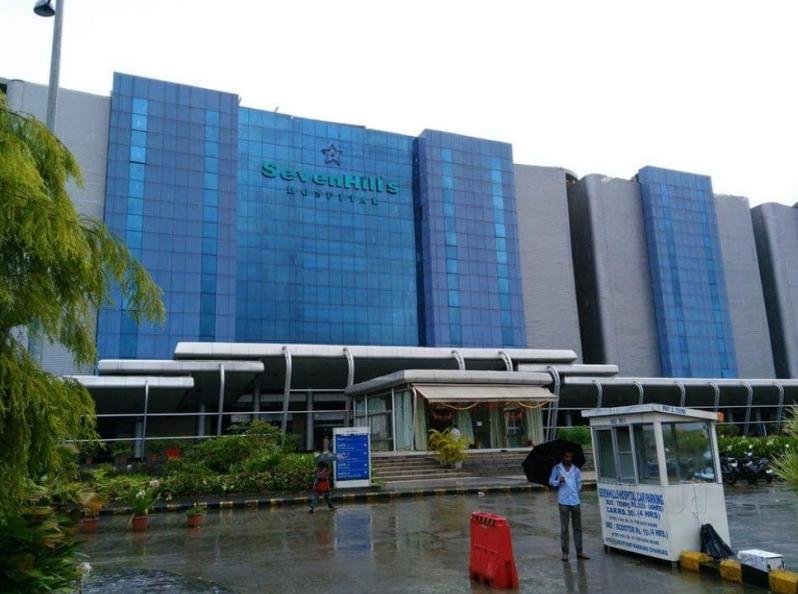
Established in 2010, SevenHills Hospital in Mumbai is a premier healthcare institution offering comprehensive medical services across various specialties. Spanning 17 acres with a built-up area of 2 million square feet
