
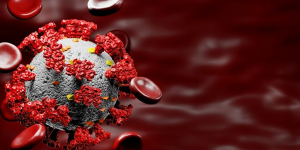
Blood cancer (hematologic malignancy) occurs when abnormal blood cells grow uncontrollably, disrupting normal blood function. It primarily affects bone marrow, blood, and lymphatic system.
Read More
A surgical procedure known as pancreatic resection involves removing all or a portion of the pancreas, usually as a result of tumours, either benign or malignant. The location, kind, and stage of the tumour determine how much surgery is required.
Read More
A complete strategy to treating breast cancer involves combining chemotherapy with breast tumour resection surgery. With this approach, the breast tumour is surgically removed, and any cancer cells that remain are destroyed by chemotherapy, which lowers the chance of recurrence.
Read More
A regenerative medicine technique called stem cell treatment replaces or repairs damaged tissues and organs by using undifferentiated cells. With their capacity to self-renew and differentiate into distinct cell types, stem cells may one day be used to treat a wide range of illnesses.
Read More
CyberKnife (a type of stereotactic radiosurgery, SRS) is a non-invasive, robotic radiation therapy system that delivers highly precise, targeted radiation to tumors or lesions—without the need for surgery. It is commonly used for brain tumors, spinal lesions, prostate cancer, lung cancer, and other malignancies.
Read More
Usually starting in the lung tissue or airways (bronchi), lung cancer is the unchecked proliferation of malignant cells in the lungs. It is the world's leading cause of cancer deaths, and the main risk factor is smoking.
Read More
The tissues of the lips, tongue, gums, cheeks, floor of the mouth, or hard/soft palate can all develop mouth cancer, a type of oral cancer. It is frequently connected to HPV infection, alcohol consumption, and tobacco use. Survival rates are increased by early detection.
Read More
The cervix, which is where the bottom portion of the uterus connects to the vagina, is where cervical cancer originates. It is mostly brought on by a chronic infection with high-risk HPV, particularly types 16 and 18. The following are additional risk factors:
Read More



Most Popular Treatment Destinations
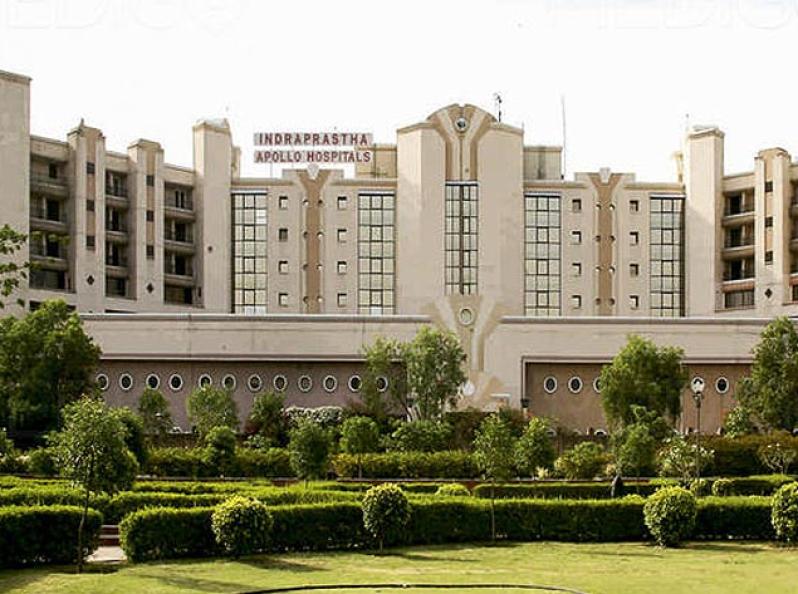
Indraprastha Apollo Hospitals, New Delhi is a multi-specialty tertiary acute care hospital with 710 beds and one of the most sought after destinations in Asia for healthcare.

One of the largest corporate healthcare groups in AP and Telangana in terms of number of patients treated and treatments offered, according to the CRISIL Report. We provide multi-disciplinary integrated healthcare services

Amrita Hospital, Faridabad, inaugurated in August 2022, stands as India’s largest private hospital, embodying a vision of holistic and world-class healthcare. Established by the Mata Amritanandamayi Math, it is part of the globally...

BLK-Max Super Speciality Hospital is one of India’s leading healthcare institutions, located in Pusa Road, Rajendra Place, New Delhi-110005. Established in 1959 by the renowned obstetrician and gynecologist
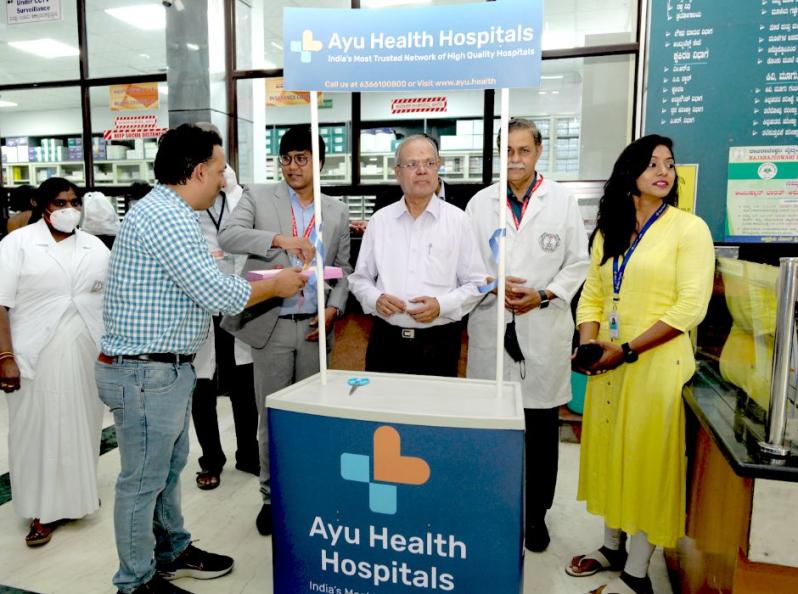
Ayu Health was founded in early 2020 with the goal of establishing a trusted hospital chain that prioritizes high quality care, transparency in pricing, and exceptional patient experiences. The company began with one hospital in Chandigarh...
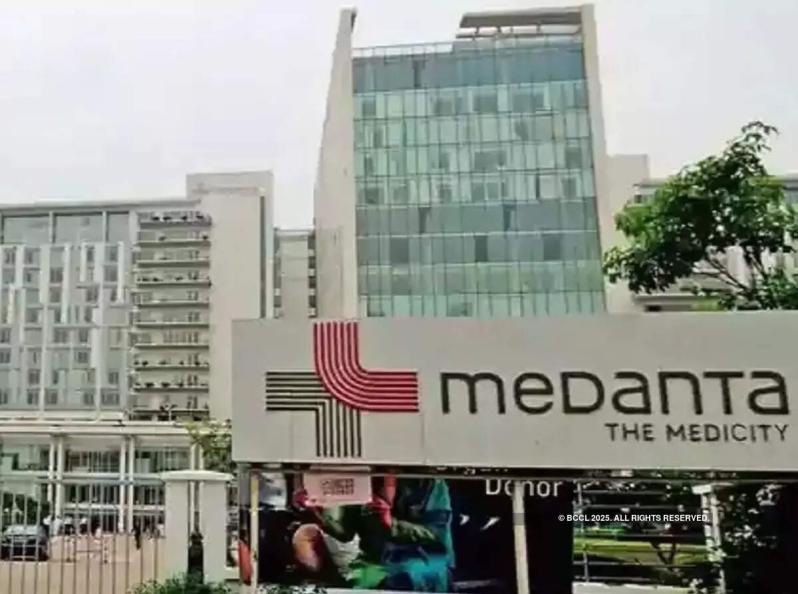
Medanta - The Medicity, established in 2009 by renowned cardiac surgeon Dr. Naresh Trehan, is a leading multi-specialty tertiary care hospital located in Gurugram, Haryana, India. The hospital is accredited by the Joint Commission...

Max Super Speciality Hospital is one of the topmost multi-specialty hospital in capital city Delhi. The hospital is having more than 500+ bedded facility offers treatment across all medical disciplines
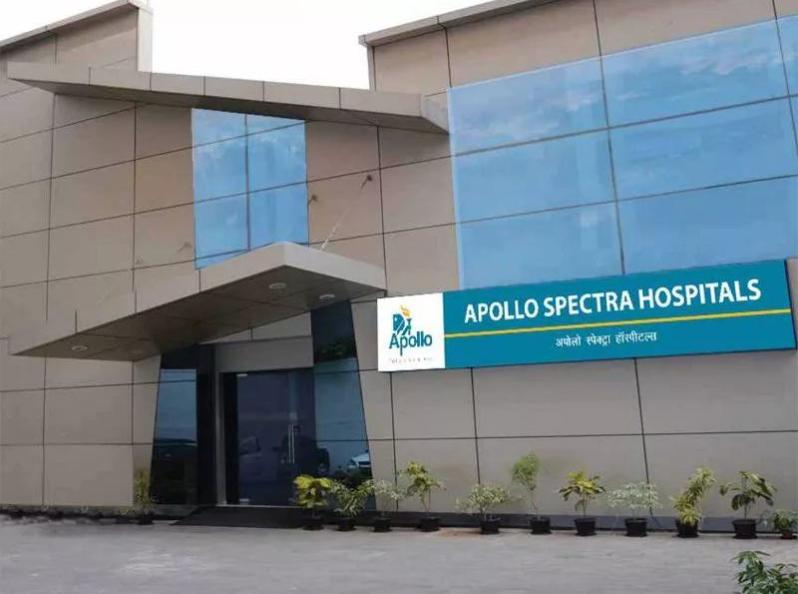
Apollo Spectra Hospitals is a chain of advanced multispecialty centres across India—popular in cities like Hyderabad, Gurugram, Patna, Bengaluru, Chennai, Jaipur, Mumbai, Delhi, Pune, Noida
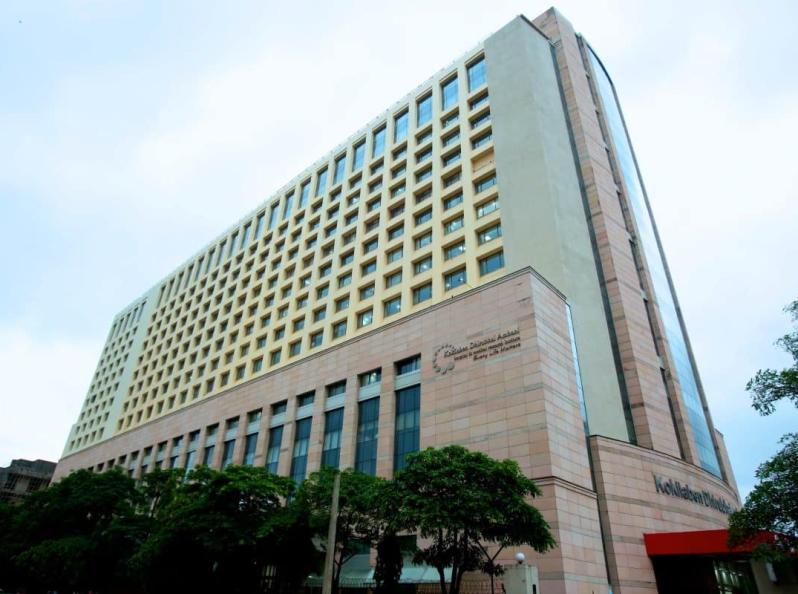
Kokilaben Dhirubhai Ambani Hospital & Medical Research Institute (KDAH) is a premier multi-specialty healthcare facility located in Andheri West, Mumbai, India. Established in 2009, it is named after Kokilaben Ambani

Yashoda Hospitals, Secunderabad, established in 1989, is a premier multi-specialty healthcare institution located in Hyderabad, India. With a capacity of 721 beds, the hospital is dedicated to providing...
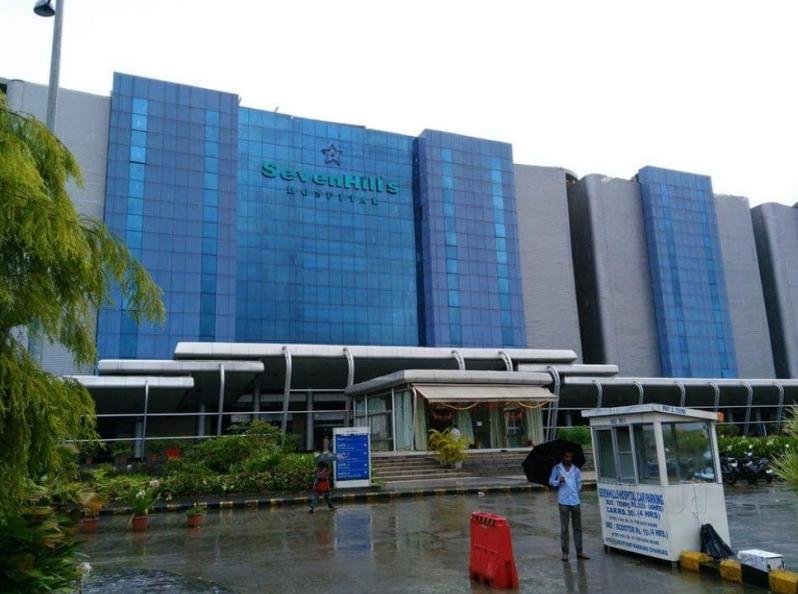
Established in 2010, SevenHills Hospital in Mumbai is a premier healthcare institution offering comprehensive medical services across various specialties. Spanning 17 acres with a built-up area of 2 million square feet
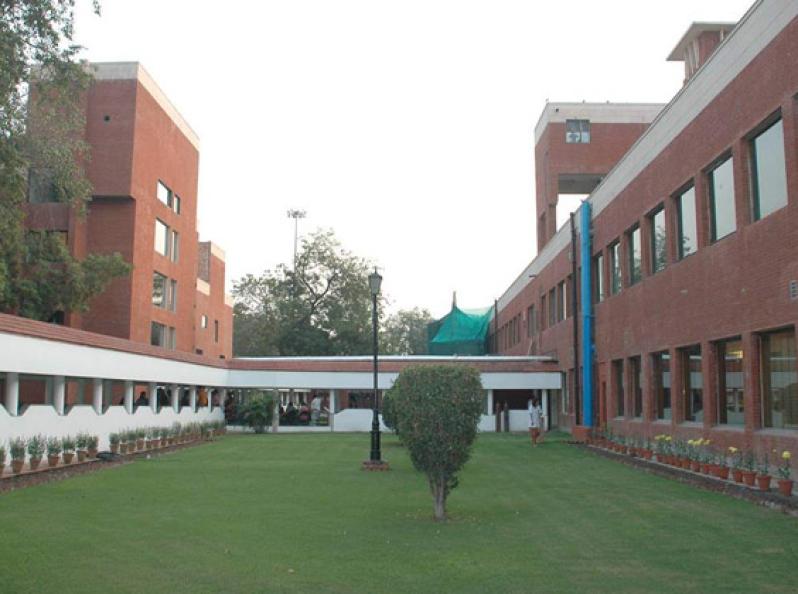
Moolchand Hospital, also known as Moolchand Kharaiti Ram Hospital, is one of the oldest and most trusted healthcare institutions in India. Established in 1957, it is located in the bustling neighborhood of Lajpat Nagar in South Delhi. Over the decades
