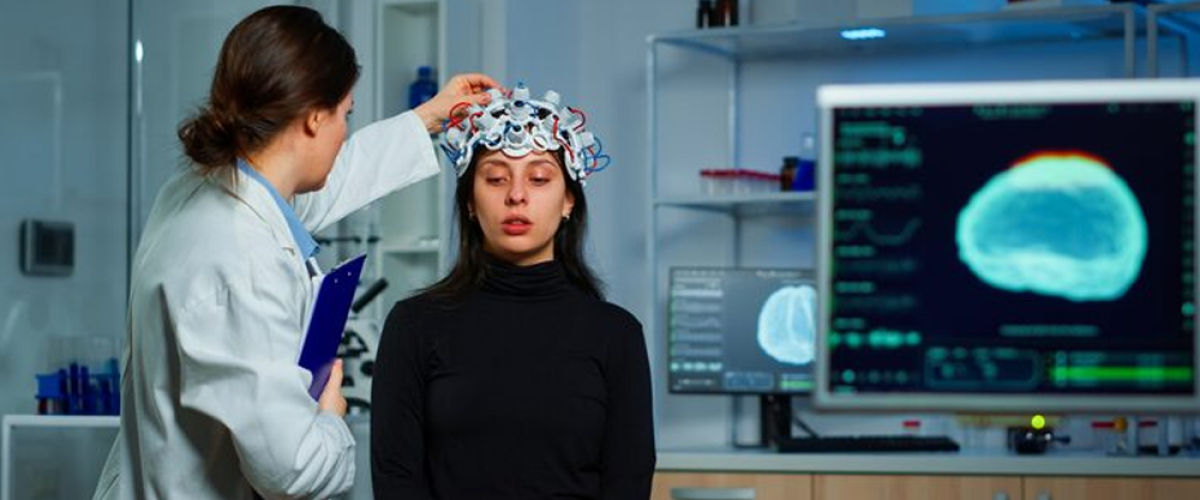
Epilepsy is a chronic neurological disorder characterized by recurrent, unprovoked seizures caused by abnormal electrical activity in the brain. It affects people of all ages and is one of the most common neurological conditions worldwide.
Key Facts:
- Prevalence: ~50 million people globally (WHO).
- Causes: Often unknown (idiopathic), but can result from brain injury, infections, genetics, or structural abnormalities.
- Diagnosis: Requires at least two unprovoked seizures (or one with high recurrence risk).
Types of Seizures in Epilepsy
Seizures are classified based on where they start in the brain:
1. Focal (Partial) Seizures
- Begin in one area of the brain.
- Subtypes:
- Focal Aware (Simple Partial): No loss of consciousness (e.g., twitching, déjà vu, sensory changes).
- Focal Impaired Awareness (Complex Partial): Altered consciousness (staring, repetitive movements like lip-smacking).
- Focal to Bilateral Tonic-Clonic: Starts focal but spreads, causing full convulsions.
2. Generalized Seizures
- Involve both hemispheres of the brain from onset.
- Subtypes:
- Tonic-Clonic (Grand Mal): Stiffening (tonic) + jerking (clonic), loss of consciousness.
- Absence (Petit Mal): Brief staring spells (common in children).
- Myoclonic: Sudden jerks (e.g., morning "jumps").
- Atonic ("Drop Attacks"): Sudden loss of muscle tone (falls).
Common Symptoms
- During a seizure:
- Convulsions, muscle stiffening/jerking.
- Staring spells, confusion.
- Temporary loss of awareness or consciousness.
- Unusual sensations (tingling, smells, sounds).
- After a seizure (Postictal phase):
- Fatigue, headache, confusion.
- Temporary weakness (e.g., Todd’s paralysis).
Living with Epilepsy
- Avoid triggers (flashing lights, sleep deprivation, alcohol).
- Safety measures: Swimming with supervision, showering instead of bathing.
- Legal considerations: Driving restrictions (varies by location).