
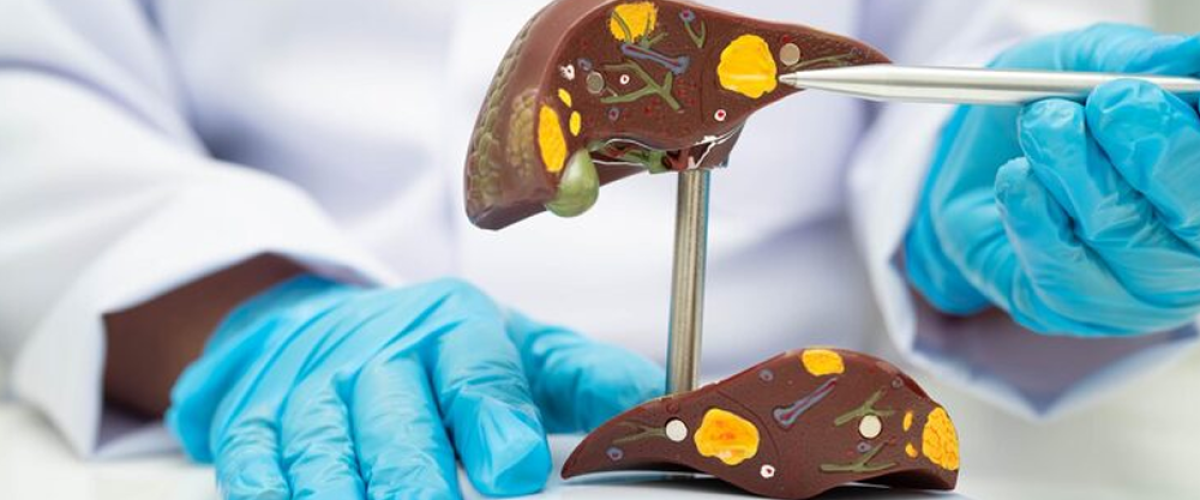
Surgically replacing a diseased or failing liver with a healthy liver from a deceased donor or a portion of a living donor's liver is known as a liver transplant. End-stage liver disease is usually taken into consideration when other treatments are ineffective and the liver is no longer able to operate normally.
When is a Liver Transplant Needed?
Common Causes of Liver Failure Leading to Transplant:
1. Cirrhosis (scarring from chronic liver disease) – Due to:
- Alcohol-related liver disease (ARLD)
- Non-alcoholic fatty liver disease (NAFLD/NASH)
- Chronic hepatitis B or C
2. Acute Liver Failure (sudden failure from toxins, infections, or drugs).
3. Liver Cancers – Hepatocellular carcinoma (HCC).
4. Genetic & Metabolic Disorders –
- Hemochromatosis (iron overload)
- Wilson’s disease (copper buildup)
- Alpha-1 antitrypsin deficiency
5. Biliary Atresia (common in infants requiring transplant).
Symptoms Leading to Liver Transplant Evaluation
Early Signs of Liver Disease:
- Fatigue, nausea, loss of appetite
- Jaundice (yellow skin/eyes)
- Itchy skin (from bile buildup)
- Swelling in legs/abdomen (edema, ascites)
Advanced Liver Failure Symptoms (Transplant Needed):
- Confusion, drowsiness (hepatic encephalopathy)
- Severe bleeding (coagulopathy)
- Kidney failure (hepatorenal syndrome)
- Persistent infections (due to weakened immunity)
- Variceal bleeding (ruptured veins in esophagus/stomach)
Types of Liver Transplants
- Deceased Donor Transplant – Full liver from a brain-dead donor.
- Living Donor Transplant – A portion (usually right lobe) from a healthy donor (liver regenerates in both recipient and donor).
- Split-Liver Transplant – One deceased donor liver split for two recipients.