
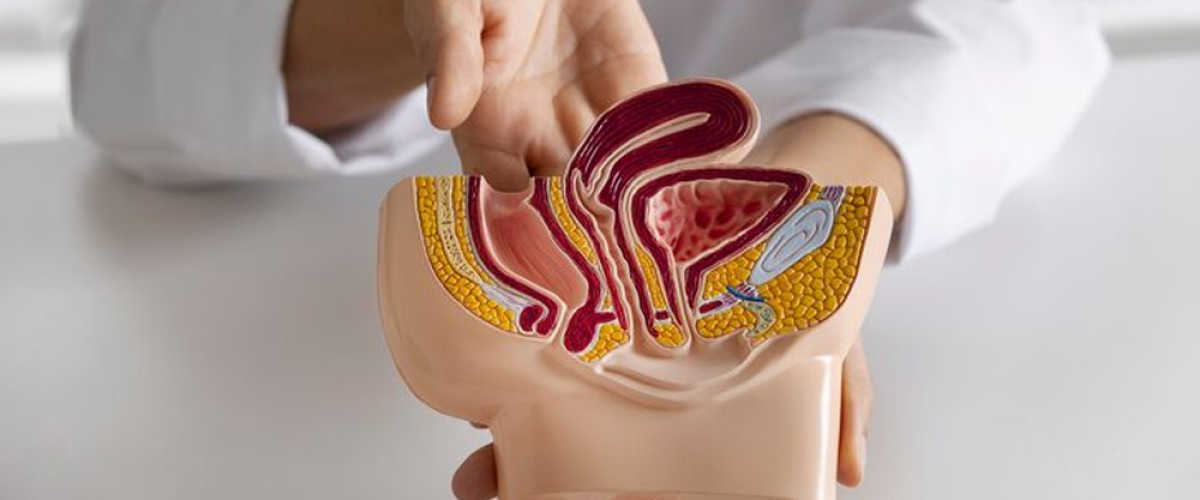
Penile reconstruction is a surgical procedure to restore form and function of the penis after injury, congenital defects, or gender-affirming surgery. It may involve:
- Phalloplasty (construction of a penis using grafts).
- Penile implant (for erectile function).
- Urethral reconstruction (to restore urination).
- Glansplasty (reshaping the tip).
Common Reasons for Reconstruction:
- Congenital Conditions (e.g., hypospadias, epispadias, micropenis).
- Trauma (accidents, burns, animal bites).
- Cancer Surgery (penile cancer requiring partial/total penectomy).
- Gender-Affirming Surgery (for transgender men).
- Infections (e.g., Fournier’s gangrene causing tissue loss).
Symptoms Necessitating Reconstruction
- Painful or incomplete urination (due to urethral strictures).
- Erectile dysfunction (from trauma or surgery).
- Cosmetic deformity (affecting self-esteem or sexual function).
- Inability to have penetrative sex (due to structural issues).
- Recurrent infections (from abnormal anatomy).
Types of Penile Reconstruction
1. Phalloplasty
- Uses skin grafts (usually from the forearm, thigh, or back) to create a neophallus.
- May include nerve hookup for sensation and urethral lengthening for standing urination.
- Often done in stages (e.g., RFF phalloplasty – radial forearm free flap).
2. Metoidioplasty (for transgender men)
- Less invasive, uses existing clitoral tissue (enlarged by testosterone).
- Allows natural erections but smaller size compared to phalloplasty.
3. Urethroplasty
- Repairs strictures or blockages in the urethra.
- Uses grafts from the mouth (buccal mucosa) or genital skin.
4. Penile Implants
- Inflatable or semi-rigid rods inserted for erectile function post-reconstruction.
5. Glansplasty
- Reshapes the penile tip for a natural appearance.